

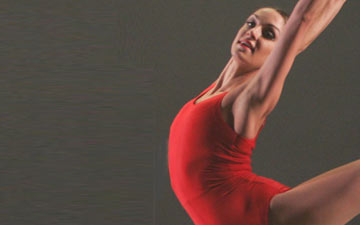
The highlight of the gala was the seventieth-anniversary performance of Agnes De Mille’s Rodeo, preceded by a short film describing its creation, with archival footage of the hilariously histrionic, diminutive choreographer.
Author - Marina Harss

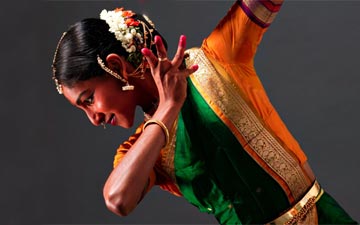
Shivalingappa first caught my eye at the 2007 Fall For Dance festival, where she danced Varnam, a Kuchipudi solo. I was immediately struck by her musicality, the power and precision of her footwork, and the absolute clarity of her movements. And to the grace of her upper body and a jump that seems to comes out of nowhere, light and airy as a cat’s.
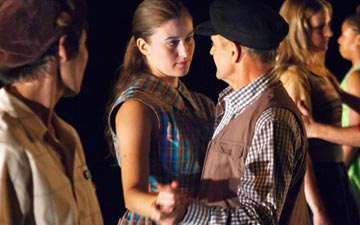
What was curious about A Wooden Tree is that it did not include much dancing in the traditional sense. It was as if Morris had decided to do an experiment: to make a dance with as little dancing as possible, practically a pantomime.
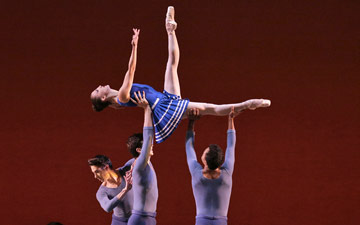
There should be more nights like this at New York City Ballet.
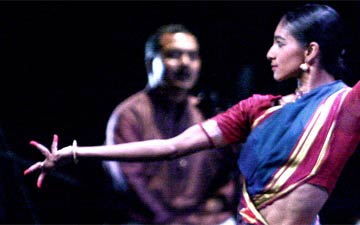
Every Fall For Dance program is a bit of a pot luck, which is part of the festival’s charm. This year it has been expanded to twelve of performances (each costing $15, up from $10 last year)...
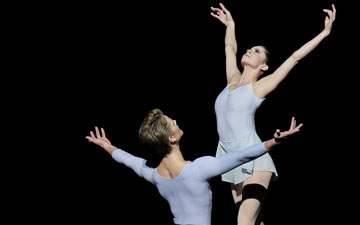
I’ve noticed two troubling trends this season at New York City Ballet. Perhaps they are connected. The first is the creeping tendency toward stolid tempi from the pit...
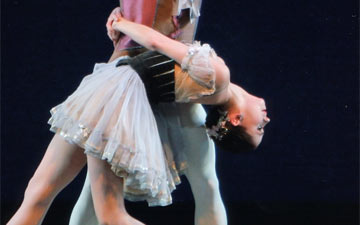
The highlight of the program was the seldom-performed Divertimento from “Le Baiser de la Fée”. It is a deceptively shadowy work, a fairy tale in the guise of a conventional divertissement.
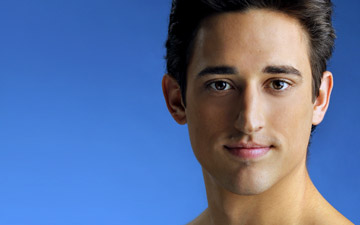
"It’s very lonely out there... I mean, it would be nice to have some sort of mentorship with regard to what it takes to be a choreographer."

This is the third mounting of the work since its première in 1976 at the Avignon Festival, where it quickly became the stuff of legend. What was this strange, endlessly-repetitive, oddly compelling work?
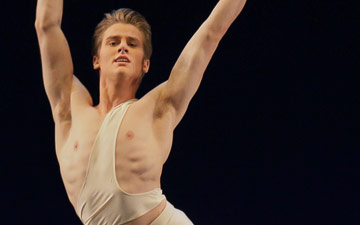
What is there to say about Orpheus, except that it seems to slip deeper into the recesses of time? I’ve read that at the première, the critic and poet Edwin Denby was so moved by it that he sat dumbfounded during intermission, unable to stand. It is difficult to imagine such a reaction today.

It is something of a cliché to say it, but the guiding principle of Morris’s Dido - as in the more recent Socrates - is simplicity. No single element - musc, words, dance - is privileged above the others.

Once in a while we experience one of those serendipitous evenings in which we show up with few expectations, only to encounter an oasis of structure, understated virtuosity and, best of all, musical intelligence.
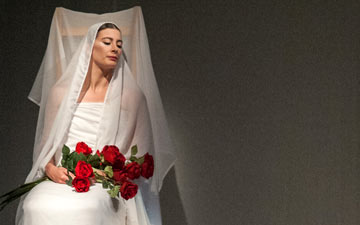
Bausch is a mystery. To some, she represents the summit of poetry and expression, worthy of a cult-like following. Clearly, these dancers derive great emotional sustenance from performing her work. And it suits them. But, with the exception of Gillot’s solo and a few moments here and there, it left me cold.
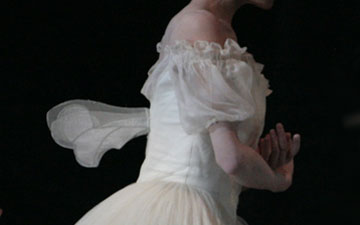
The arrival of the wilis takes one’s breath away. Not only are they individually beautiful, with their soft port-de-bras and milky-white shoulders, but they are all eerily the same, in every way: same size, same build, same arms, same tilt of the head, same gaze, same feet.
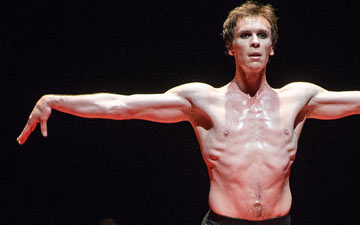
Nicolas Le Riche was fabulously predatory in Bolero, a raging furnace of self-love and sex appeal. One imagines that after the show he must have ravaged a hundred virgins, but maybe he simply went home and soaked his feet in the tub, but in any case, he was magnificent, good taste (and choreography) be damned.
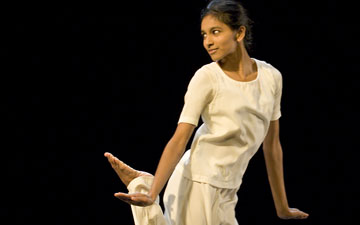
Disappointment is an inevitable part of theatre-going - I mean, how often do performances live up to our expectations? - but it is especially hard to swallow when it comes at the hands of one of the artists we most admire....
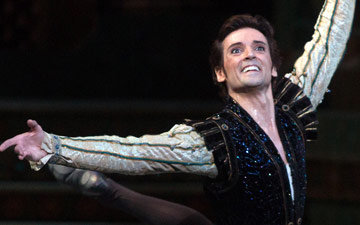
Corella’s final performance alongside Paloma Herrera - theirs is an enduring partnership - was just as one would have imagined it: ardent, joyful, and full of charm. He gave and gave...
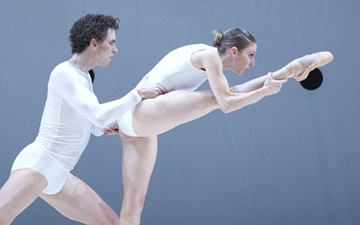
How can a company make good impression with just a few performances of one or two programs? The pieces have to be representative, interesting, and show the company in a the best possible light. It’s not easy, as the recent Lincoln Center performances of Australian Ballet have shown.
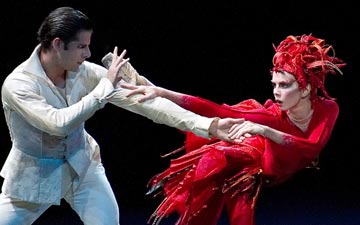
Sometimes the second time is the charm. This seems to be especially true when it comes to new ballets by Alexei Ratmansky. Often, they’re not easy to take in on first viewing, indigestible as an over-rich meal. But then, something in us changes, our eye evolves.
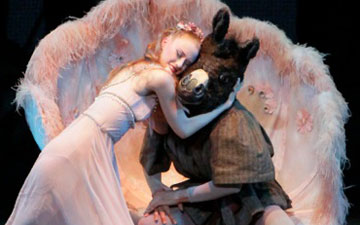
In the second act, storytelling gives way to pure dance, the highpoint of which is one of the most delicate, poetic pas de deux ever made - an allegory of love, danced by an unidentified couple. It is a Balanchinean vision of absolute trust and partnership...