
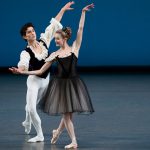

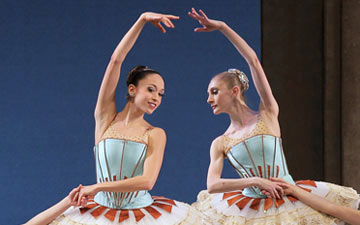
The revitalizing impact of Balanchine’s choreography on Tchaikovsky’s music was particularly evident in the all-Tchaikovsky, all-Balanchine program presented by New York City Ballet at the Kennedy Center Opera House during the last week of March.
Tag - Tiler Peck

Teresa Reichlen - known as Tess by friends and colleagues - is an immediately striking dancer: tall, pale, preternaturally serene. She could be a Madonna in a painting by Botticelli.
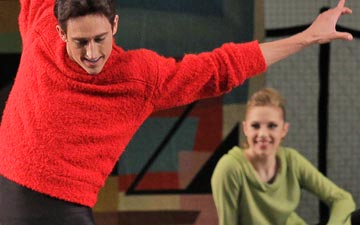
N.Y. Export: Opus Jazz is certainly not Robbins’ finest or most original work but perhaps because of its relative straightforwardness, it reveals much about what is so remarkable about this choreographer.

It’s a good thing indeed when a visit to the ballet turns out to be a night full of surprises, all of them good.

Is there a ballet more deceptive than Balanchine’s Divertimento from ‘Le Baiser de la Fée’? If so, I’m not aware of it.
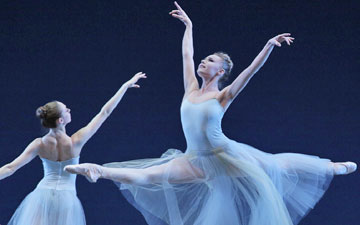
I’m not yet fully convinced of the wisdom of New York City Ballet’s thematic seasons, organized around the music of a single composer....
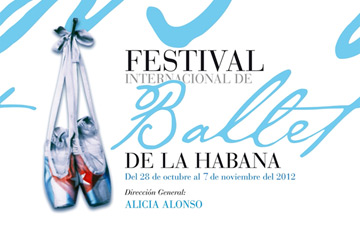
The festival was as intensive as ever, with three performances running on seven days, four on one day, some concurrently. The range and quality of dance overall was impressive.

The Honors are America’s highest award for those whose creative triumphs influenced and enhanced American culture. This is a celebration of their outstanding careers and extraordinary talents and appreciation of their unyielding commitment and contribution to the arts.
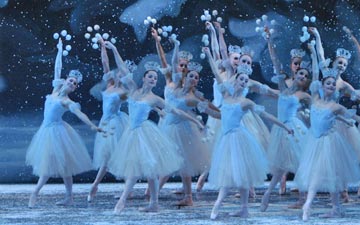
When something is beautifully made it never gets old. So it is with Balanchine’s Nutcracker, first performed by New York City Ballet in 1954 and honed to near-perfection over the years.
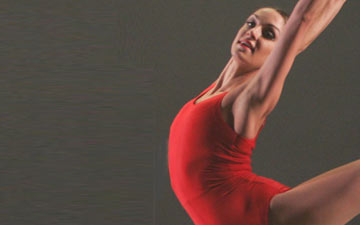
The highlight of the gala was the seventieth-anniversary performance of Agnes De Mille’s Rodeo, preceded by a short film describing its creation, with archival footage of the hilariously histrionic, diminutive choreographer.
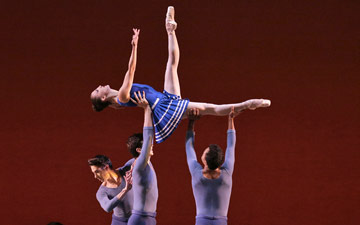
There should be more nights like this at New York City Ballet.
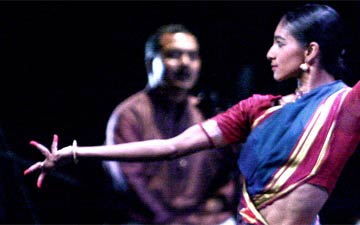
Every Fall For Dance program is a bit of a pot luck, which is part of the festival’s charm. This year it has been expanded to twelve of performances (each costing $15, up from $10 last year)...
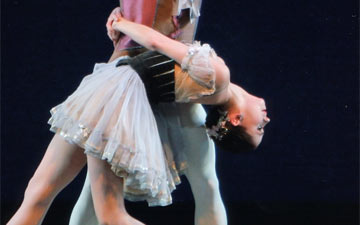
The highlight of the program was the seldom-performed Divertimento from “Le Baiser de la Fée”. It is a deceptively shadowy work, a fairy tale in the guise of a conventional divertissement.
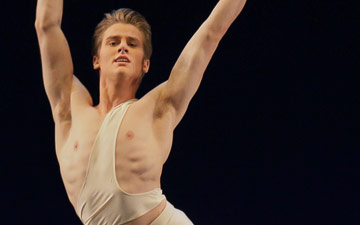
What is there to say about Orpheus, except that it seems to slip deeper into the recesses of time? I’ve read that at the première, the critic and poet Edwin Denby was so moved by it that he sat dumbfounded during intermission, unable to stand. It is difficult to imagine such a reaction today.
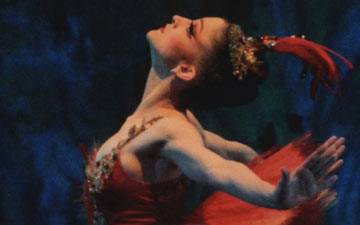
After the dreary bombast of Alexei Ratmansky's recent Firebird for American Ballet Theatre, the Balanchine/Robbins version, with its blessedly shorter score (Stravinsky's Firebird Suite), heavenly Chagall designs and the great Ashley Bouder in one of her first great roles, was a welcome palliative.
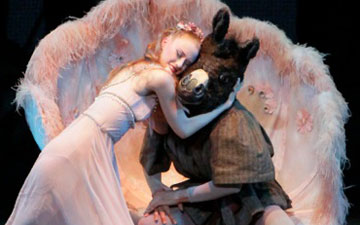
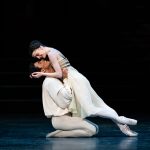
In the second act, storytelling gives way to pure dance, the highpoint of which is one of the most delicate, poetic pas de deux ever made - an allegory of love, danced by an unidentified couple. It is a Balanchinean vision of absolute trust and partnership...
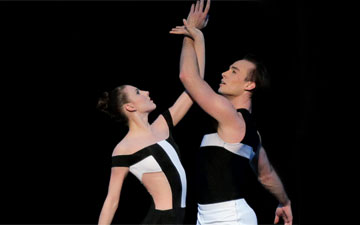
I think it's safe to say that neither of the new works knocked the planet off its axis...

Fortunately, Jerome Robbins’ West Side Story Suite, the final dance of the evening, was anything but tedious. One of the greatest entertainers in ballet, Robbins knew how to keep his audiences awake, engaged, and excited.